

J5 customers receive continuous support even after installation or product purchase.
Our dedicated after-sales team is ready to provide consultation on system operation, maintenance, and troubleshooting when equipment does not function properly. On-site inspection services are also available whenever necessary.
J5 customers receive ongoing support after installation or purchase. Our after-sales team is available to advise on operation and maintenance and help resolve issues if equipment is not working properly. We can also visit the site for an inspection when needed.
If your pool experiences issues—such as pump failure, cloudy water, filtration problems, or damaged equipment—our technicians are ready to provide prompt on-site inspection and repair.
We use genuine spare parts from leading brands, along with advanced diagnostic tools, to ensure accurate and efficient solutions. Our services cover both minor repairs and large-scale system maintenance, all delivered with professional standards.
J5 Swimming Pool offers monthly maintenance services for residential homes, hotels, condominiums, and commercial projects that require their pools to remain in optimal condition at all times.
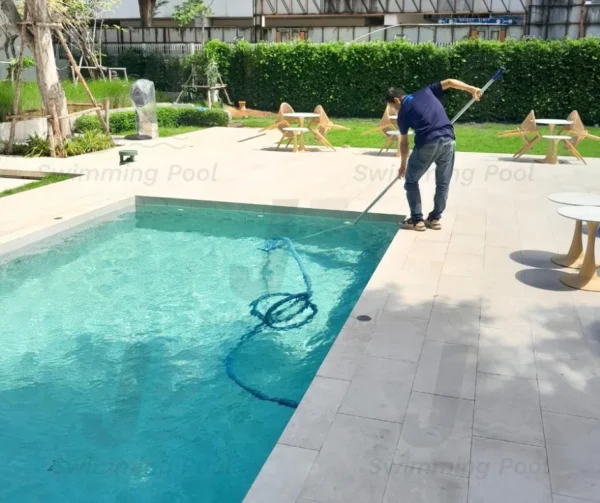
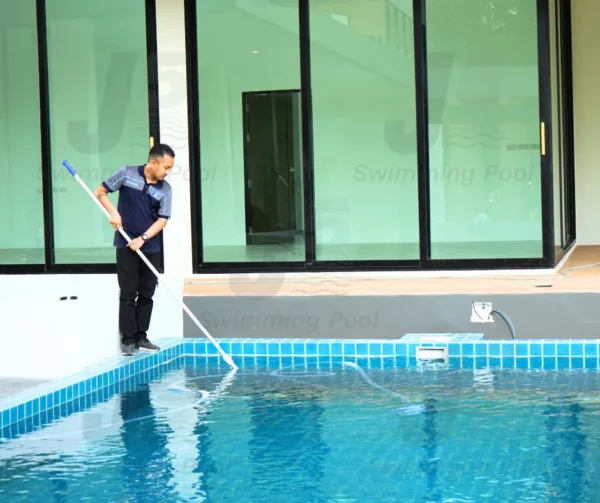
Our service includes water quality testing, proper chemical treatment, pool cleaning, equipment inspection, and detailed service reports after each visit—ensuring water quality, safety, and peace of mind for users.
In addition to maintenance services, J5 Swimming Pool is also a comprehensive supplier of swimming pool equipment.
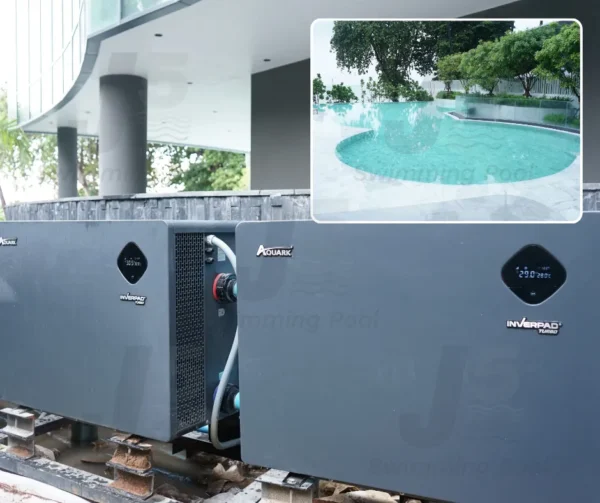
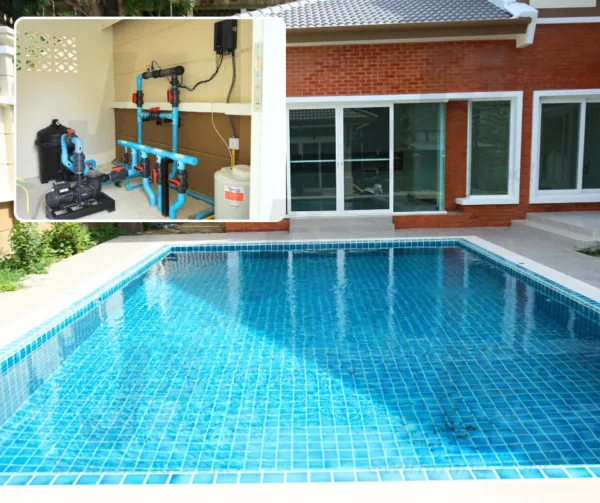
We offer a wide range of high-quality products from leading global brands, including pool pumps, filters, sanitization systems, pool lighting, robotic cleaners, and spare parts — supporting all types of pools for both individual customers and project contractors.
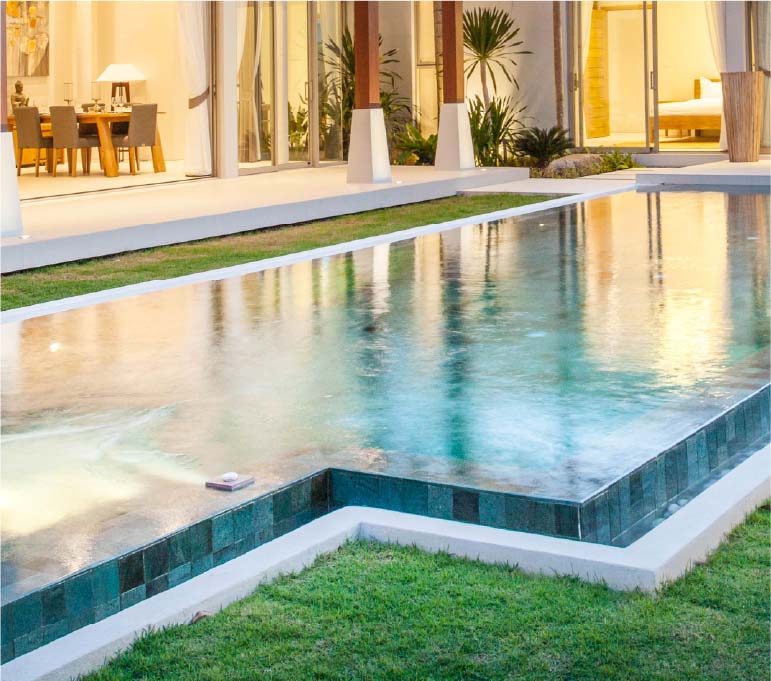
Water circulates by overflowing from
the pool into an overflow channel
installed around its perimeter.
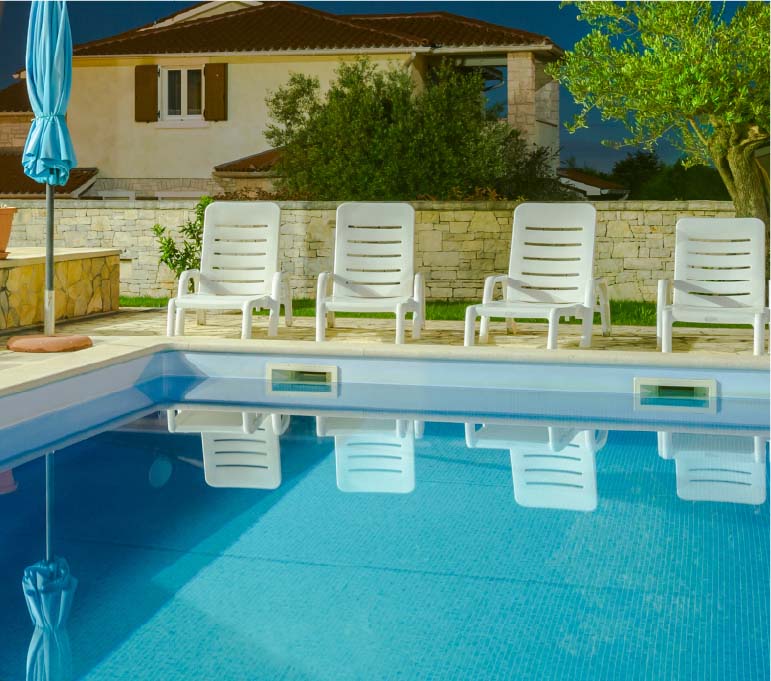
Suitable for small swimming pools.
The water level must be 15–20 cm
below the pool edge.
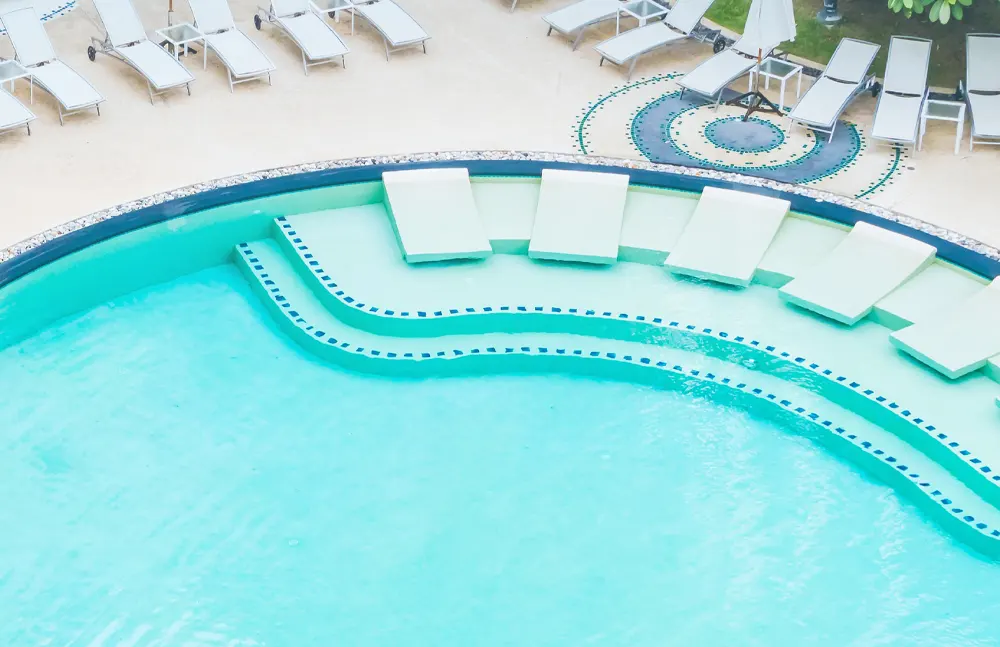
An Overflow Pool System is a popular choice for pool owners who prefer a modern, attractive design. The water sits level with the pool edge, giving the pool a clean appearance. Water is pushed upward and flows evenly over the edge, carrying surface debris away.
In an overflow system, water enters through inlets in the pool floor and pushes debris toward the overflow channel around the pool. It then flows into a surge tank. From there, a pump draws the water through the filtration and sanitization systems before returning the treated water to the pool.
A Skimmer Pool System circulates water through a device called a skimmer box, which is installed along the pool wall near the edge. This type of pool does not require a surge tank, so it takes up less space and can cost less to build and operate than an overflow pool.
In a skimmer system, water is drawn through the skimmer opening, which collects debris from the surface. The water then passes through the filtration and sanitization systems before returning to the pool. The water level sits approximately 15–20 cm below the pool edge. Some owners may find this less visually appealing, and debris may remain on the pool floor or in areas of the water surface that the skimmer does not reach effectively.
Choosing J5 Swimming Pool for pool maintenance gives you peace of mind. We understand all types of pool systems, including Skimmer and Overflow systems. Our professional team identifies issues and plans maintenance tailored to your pool, helping it run efficiently, keeping the water clean and safe, and extending the life of its equipment.
Swimming pool systems are generally divided into two main types based on how the water circulates:
The choice of pool system depends on the pool design, budget, and available space.
A Skimmer System is a swimming pool water circulation system that uses a skimmer box installed in the pool wall to draw water from the surface into the filtration system. It collects leaves, dust, insects, and other floating debris before the water passes through the pump and filter. The clean, filtered water is then returned to the pool through the return inlets.
An Overflow System is a swimming pool water circulation system designed to maintain the water level flush with the pool edge. As water flows over the edge, it is collected in the overflow gutter around the pool and directed to a balance tank before passing through the pump and filter. The filtered water is then circulated back into the pool.
This system effectively removes floating debris and impurities from the water surface, as surface water continuously flows over the pool edge
A Skimmer Pool is generally the more practical choice for limited spaces. The water level is slightly below the pool edge, and the skimmer box is built into the pool wall. Unlike an overflow system, it does not require an overflow gutter or balance tank, helping save space around the pool and reduce overall construction costs.
During the rainy season, rainwater can affect pool water chemistry and introduce more dirt and contaminants into the pool. Proper maintenance includes:
Beyond the essential water circulation and sanitization systems, these optional features can further enhance convenience, safety, and overall pool functionality:
The frequency of pool maintenance and water testing mainly depends on the pool load (number of users) and the type of pool. Recommended service frequency can be divided according to the pool’s usage as follows:
Recommended Frequency: Once a week (or at least once every two weeks if the pool is not being used).
Why: With fewer users, typically limited to family members, water quality and debris are easier to manage.
Key Tasks: Skim leaves, vacuum debris, brush stains, and check and adjust chemical or salt levels once a week.
Recommended Frequency: 2–3 times per week.
Why: Shared pools typically have a moderate to high number of users, resulting in higher levels of sunscreen residue, bacteria, and body oils compared to private pools.
Key Tasks: Water quality should be checked more frequently, with regular chlorine adjustment. The filtration system should also be cleaned more often to help prevent cloudy water.
Recommended Frequency: Daily maintenance.
Why: The pool is an important part of the guest experience and can directly influence hotel reviews. With guests using the pool throughout the day, maintaining a high standard of cleanliness and appearance is essential.
Key Tasks: Remove debris from the water surface every morning. Test and adjust water chemistry 1–2 times daily (morning and evening) to keep the pool clean, safe, and ready for use at all times.
Recommended Frequency: Daily maintenance, with water quality checks every 2–4 hours.
Why: Commercial pools typically have the highest pool load and level of contamination. Strict health and hygiene regulations therefore require more frequent monitoring and maintenance.
Key Tasks: Run the filtration system 24/7, monitor water quality in real time or at regular intervals, and perform shock chlorination and filter backwashing more frequently than other pool types.
When pool water starts to turn green or cloudy, it may indicate algae growth or a buildup of contaminants beyond what the existing system can effectively handle. Follow these 6 steps to restore water clarity:
Beyond the essential water circulation and sanitization systems, these optional features can further enhance convenience, safety, and overall pool functionality:
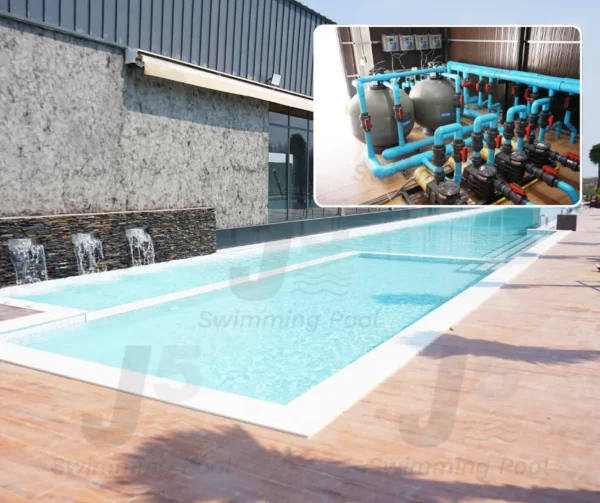
Over 22 Years of Proven Experience

Contact Channels
E-mail info@j5-swimmingpool.com
Call Center
02-277-1345 / 061-796-6649